BANKCODE and Better Communication: Understanding How People Connect
Updated: 3 hours ago
Why the Way You Say It Matters as Much as What You Say
Every interaction we have with another person comes down to communication. A conversation at the dinner table, a negotiation at work, an appointment with a healthcare provider: each one succeeds or fails on whether the message actually lands. Better communication starts with understanding how people are wired.
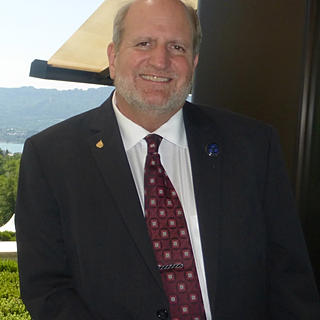
I've spent more than 50 years in healthcare, starting as a paramedic and later working in clinics and emergency rooms. In that time I've learned that a good plan can still fail if the person hearing it doesn't receive it the way I meant it. The research agrees. A meta-analysis by Haskard Zolnierek and DiMatteo in Medical Care found that when physicians were trained in communication skills, the odds of their patients following treatment were 1.62 times higher. A systematic review of face-to-face tailored messaging found positive effects on patients' health behaviors, and it encourages practitioners to learn what their patients need and tailor the message to them.
What is BANKCODE?
BANK stands for Blueprint, Action, Nurturing, and Knowledge, the four primary personality codes. Everyone has all four. The order of those four creates a personal BANKCODE: one of 24 possible combinations.
This values-based assessment helps people understand how they connect, communicate, and make decisions. It takes 90 seconds or less, which makes it an easy starting point for a thoughtful conversation.
The system I've used since 2013
Since 2013, I've used BANKCODE to tailor my instructions to each patient's preferred communication style. Here is how I adjust for each type:
Blueprint lives inside the box. Blueprints want detailed, specific instructions: what to do, in what order, and how often. I give them the checklist. A clear structure is what gives them the confidence to act.
Action lives outside the box. Actions want to know how quickly they can get back to whatever they were doing. I skip the details, give them the short version, and tell them how this gets them back to it fast.
Nurturing decorates the box. Nurturing types want to be assured that this will help them feel better and that it will help them help others sooner. When I tie the plan to their ability to care for the people around them, they engage.
Knowledge designs the box. Knowledge types want to know that something is truly needed and how it works. I explain the mechanism and the reasoning, and they follow through because they understand why.
The essential medical information is the same for every patient. What changes is the framing.
How it works in my clinic
I hand new patients the four BANK cards and ask them to sort them from most like them to least like them. It takes about 90 seconds. I note their order on their chart, so I know how to communicate with them at every visit that follows. I don't have to guess or start over, and the patient doesn't have to re-explain how they like to be spoken to.
Checking that it landed
Tailoring the message is half of it. I also confirm understanding by asking patients to tell me in their own words what they plan to do. This is called teach-back, and the Agency for Healthcare Research and Quality recommends it, because health information is easy to misunderstand. Combined with speaking in a patient's code, it's a simple way to close the gap between what I said and what they heard.
What I've found
I can't point to a study showing BANKCODE improves health outcomes, and I won't claim one. What I can tell you is that in over a decade of using it, I have found it helpful. Patients seem to understand more quickly, and the conversation feels easier on both sides. The principle behind it, meeting people where they are, is well supported.
Why communication improves when we understand values
When we understand how another person prefers to receive information, we can respect their time, values, and way of processing decisions. That can reduce misunderstandings at home, at work, and in partnerships.
The goal is not to manipulate anyone. It is mutual understanding: making sure what we mean is more likely to be heard the way we intended.
Find your code in 90 seconds
I truly believe that using a person's values to guide communication works in relationships, in professional interactions and within families. You don't need to be a patient or a clinician to benefit. Knowing your own code, and learning to recognize the codes of the people around you, can change how you communicate with your family, your team and your clients.
If someone invited you to crack your code, they may be offering a way to understand your communication preferences and strengthen the relationship. Explore your BANKCODE, then use what you learn as a starting point for listening, clarity, and respect.
Sort four cards and crack your code, free, at www.crackmycode.com/connected.
BANKCODE is a communication tool, not a diagnostic or medical test.

Comments